
Je reste !
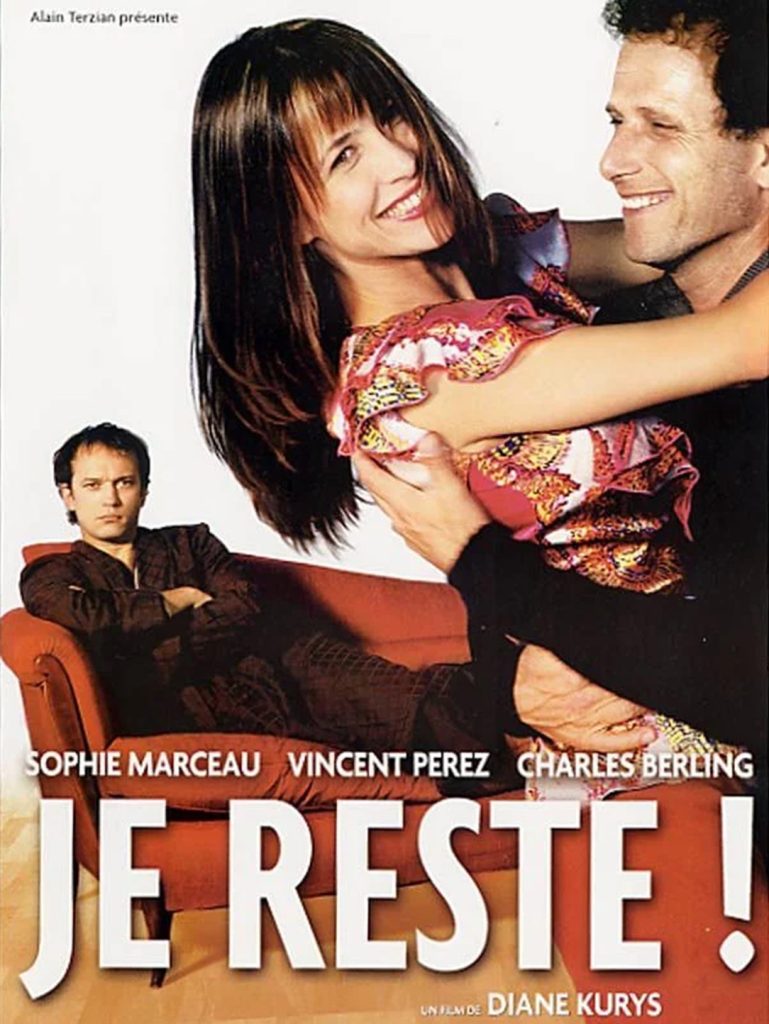
Cinéma Je reste ! Creation : Diane Kurys, Florence Quentin With : Sophie Marceau, Charles Berling, Vincent Perez Broadcast : Cinema Je reste !, directed by Diane Kurys and released in 2003, brings together Sophie Marceau, Vincent Perez and Charles Berling. Marie, a literary translator, sees her partner brutally leave her for another woman. Refusing to give up the apartment they shared, she decides to stay put, despite the presence of her ex and her new partner. This unexpected closed-door becomes the terrain of a hushed confrontation, where sentimental wounds and unconfessed desires intersect. The visual universe of Je reste ! favors a soft and natural light, anchored in intimate and daily spaces. The textures are discreet, close to bodies and faces, leaving room for a hushed atmosphere. The rhythm of the image accompanies the exchanges, without interruption, in a peaceful continuity. The colors, sober and balanced, participate in a realistic visual aesthetic, supported by a measured calibration and a finish that seeks accuracy rather than effect. The image post-production work respects the intention of staging, valuing the nuances of play and visual silences. Image post-production Sound post-production Broadcast delivery https://digitalfactory.fr/wp-content/uploads/2026/02/Je-reste-2003-Bande-annonce.mp4 Retour
High tension
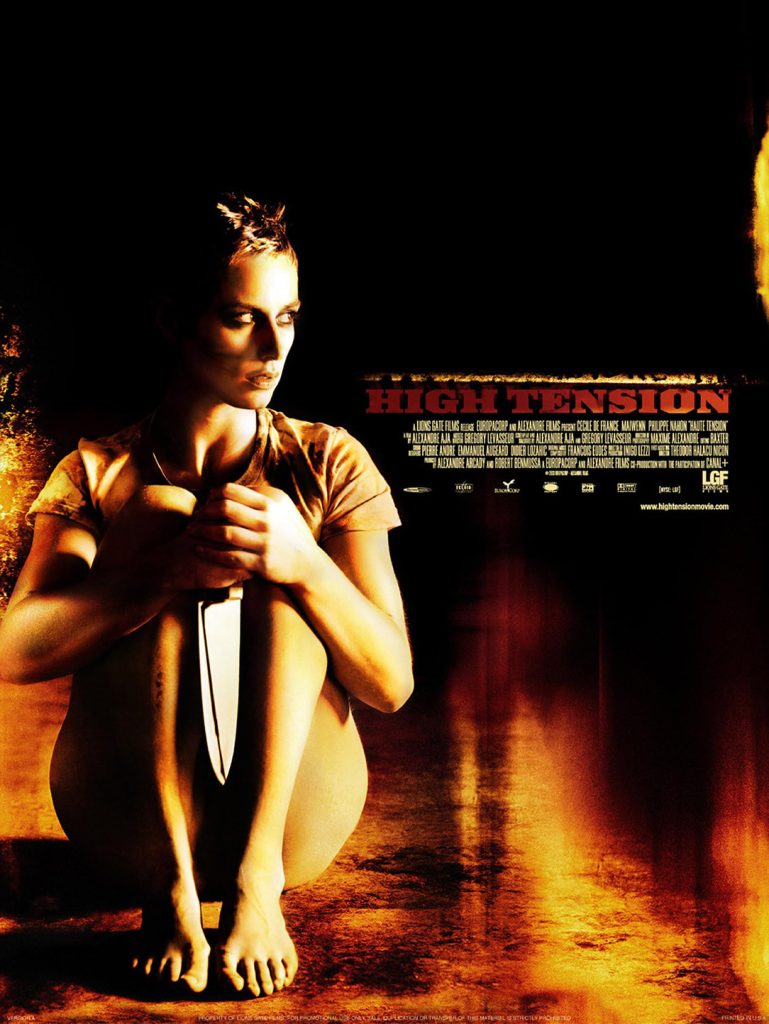
Cinéma High tension Création : Alexandre Aja, Grégory Levasseur Avec : Cécile de France, Maïwenn, Phillipe Nahon Diffusion : Cinéma High tension directed by Alexandre Aja released in 2003, features Cécile de France, Maïwenn and Philippe Nahon. Marie and Alexia, two students, spend the weekend in the isolated house of the family. One night, a killer appears and massacres the occupants. Hidden, Marie witnesses the horror before embarking on a desperate race to survive and find her friend, carried away in the darkness. In Haute Tension, the image is dominated by a rare, sharp light that cuts through bodies and spaces. The textures are raw, almost abrasive, while the visual rhythm imposes a constant tension. The colors, deliberately contained, reinforce a stifling atmosphere where every nuance counts. The calibration accentuates contrasts and guides the gaze, and the finish preserves this dark density. In such a radical universe, Digital Factory accompanies the image with restraint, by refining the balances of light and harmonizing the atmospheres without altering the violence of the subject. The image post-production work is strictly in line with the director’s intention, allowing tension to fully express itself on the screen. Post-production image Post-production son livraisons aux diffuseurs https://digitalfactory.fr/wp-content/uploads/2026/01/Film-Haute-tension-Bande-Annonce.webm Retour
Fanfan la tulipe
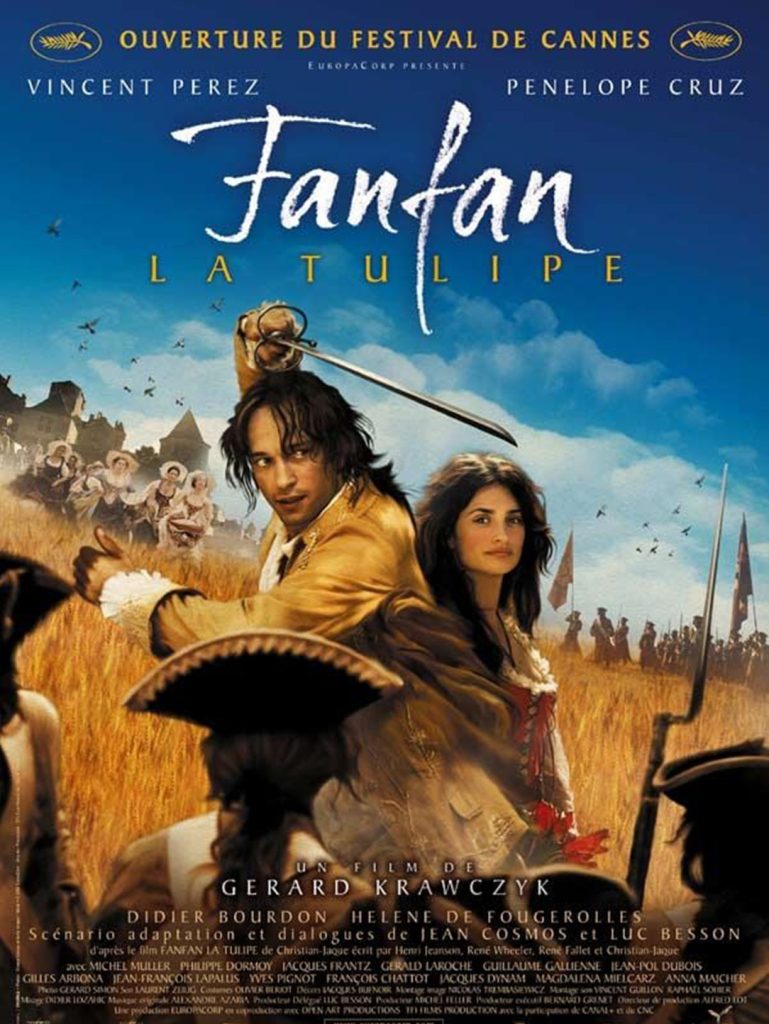
Cinema Fanfan la tulipe Creation : Gérard Krawczyk, Luc Besson, Jean Cosmos With : Vincent Perez, Penélope Cruz, Didier Bourdon Broadcast : Cinema Fanfan la tulipe, directed by Gérard Krawczyk and released in 2003, revisits the famous cloak-and-sword hero through a lively and novelistic adventure. Vincent Perez embodies Fanfan, a free and daring young man who joins the army of King Louis XV to escape an imposed marriage. On his way, he crosses paths with Adeline La Franchise, played by Penélope Cruz, whose predictions nourish his dreams of glory and extraordinary destiny. The film combines action, humor and romance in a narrative driven by the momentum of movement and the taste for adventure. The visual aesthetic of the film makes each scene vibrate with a clear light, a texture grain that evokes the dust of the great plains and the glow of the revolts. The atmospheres oscillate between frank sun and deep shadows, supported by a calibration that balances the warmth of hues and the vivacity of contrasts. The rhythm of the image accompanies the narration, capturing the freshness of the duels as well as the delicacy of the suspended moments. In this project, Digital Factory is subtly integrated into the finishing and calibration process to reinforce the director’s visual writing. Every nuance of light is respected, every plan raised to a clarity that serves the narrative intent, without ever betraying the original universe. The harmony of tones, the depth of contrasts and the precision of the rendering contribute to an immersive experience, where emotion is expressed through images and not through artifice. Thanks to a know-how combining technical rigor and cinematographic sensitivity, Image post-production Sound post-production Broadcast delivery https://digitalfactory.fr/wp-content/uploads/2026/01/Fanfan-la-Tulipe-2003-Bande-annonce.mp4 Retour
Moi César, 10ans 1/2, 1,39m
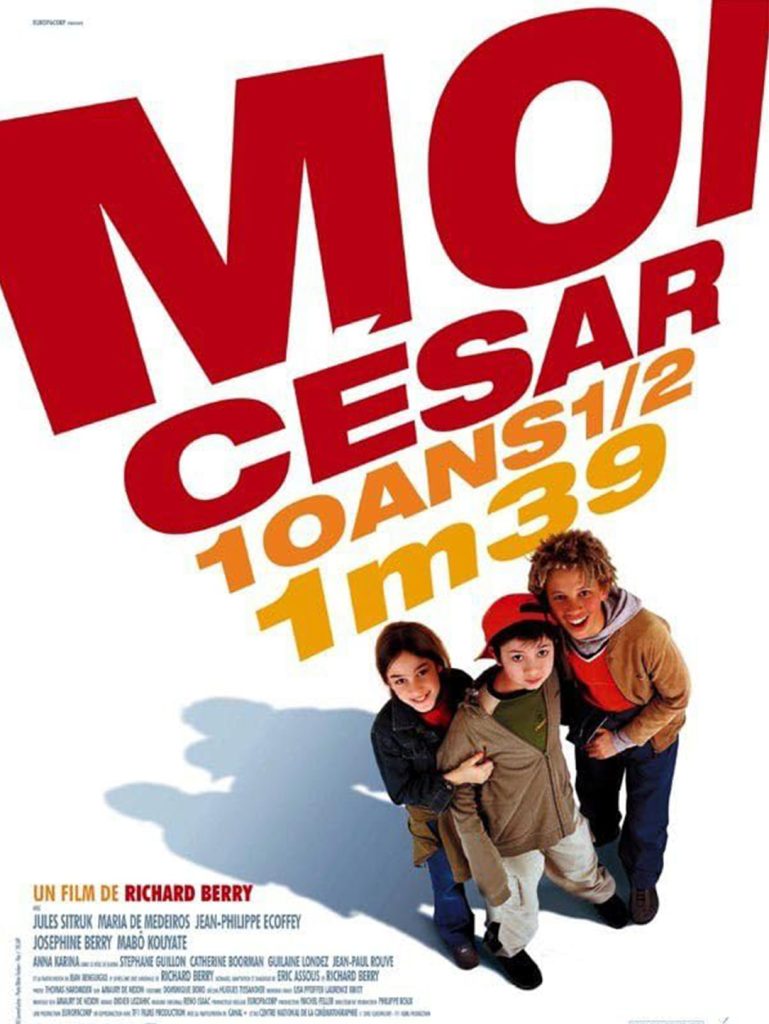
Cinema Moi César 10ans 1/2 1m39 Creation : Richard Berry, Eric Assous With : Jules Sitrux, Maria De Medeiros, Josephine Berry Broadcast : Cinema Moi César, 10ans 1/2, 1m39, directed by Richard Berry in 2003, features Jules Sitruk, alongside Maria de Medeiros and Richard Berry. The film adopts the point of view of Caesar, ten and a half years old, who tells his world with his words, his fears and his impulses. Through his childlike gaze, César observes his parents, their fragile love, their silences, their flaws. He tries to understand what is cracking, what is hidden behind the adults. Between humor, naivety and disarming lucidity, the film tells a childhood crossed by worry but also by a deep tenderness. The visual aesthetic remains simple, soft, close to reality. The light is natural, often warm, the colors discreet. The camera is placed at child’s height, attentive to faces, gestures, and details of everyday life. The rhythm is calm, giving way to emotion without ever emphasizing it. In this context, image post-production and calibration aim at restraint. It is about harmonizing the atmospheres, preserving the softness of the tones and the sincerity of the looks. A delicate finish, thought to accompany the emotion without constraining it. Thanks to a know-how combining technical rigor and cinematographic sensitivity, post-prod sublimated this visual material faithful to its mission: to give each image the accuracy of an emotion. Image post-production Sound post-production Broadcast delivery https://digitalfactory.fr/wp-content/uploads/2026/01/Moi-Cesar-10-ans1-2-1m39-Bande-annonce.mp4 Retour
Rire et châtiment
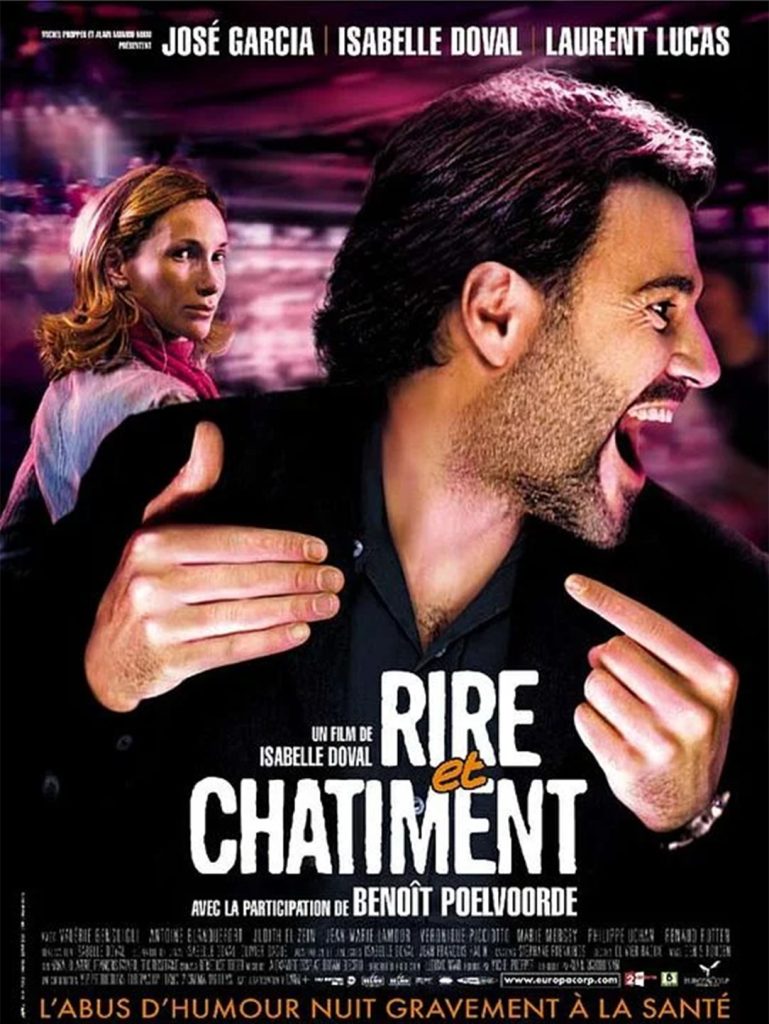
Cinéma Rire et Chatiment Creation : Isabelle Doval With : José Garcia, Isabelle Doval, Laurent Lucas Broadcast : Cinema Rire et Châtiment, directed by Isabelle Doval, brings together José Garcia, Isabelle Doval and Laurent Lucas. Vincent Roméro is a brilliant osteopath, constantly funny, as if silence were impossible for him. By occupying the space, he ends up exhausting Camille, who leaves him. And the same evening, an absurd drama arises: at the restaurant, a friend dies, swept away by a fit of laughter. Vincent then understands that his humor can sometimes hurt to the irreparable. A professional post-production where the image remains anchored in everyday life: natural lights, real settings, fluid rhythm. She lets the shift come without supporting it, and gives rise to trouble in simple atmospheres where comedy touches, at times, something more fragile. The calibration and finishing, here, are imagined as a work of precision: keeping clarity and sobriety, harmonizing atmospheres, preserving fair tones, without hardening the film. A discreet image post-production, at the service of a delicate balance between lightness and gravity. Post-production image Post-production son livraisons aux diffuseurs https://digitalfactory.fr/wp-content/uploads/2026/01/RIRE-ET-CHATIMENT-Bande-Annonce-CXWg1GfqDAc.mkv Retour
Les Côtelettes
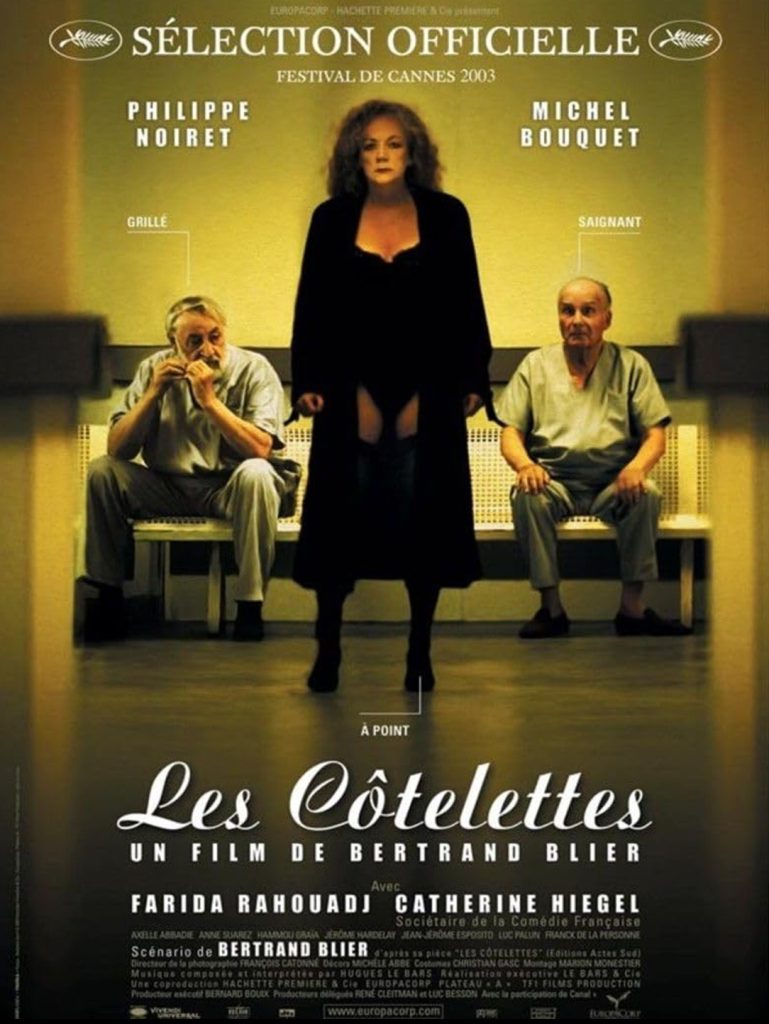
Cinema Les Côtelettes Creation : Bertrand Blier With : Philippe Noiret, Michel Bouquet, Farida Rahouadj Broadcast : Cinema Les Côtelettes, a film by Bertrand Blier released in 2003, brings together Philippe Noiret, Michel Bouquet and Farida Rahouadj in a dramatic comedy inspired by the play of the same author. One evening, “The Old Man” arrives at Léonce’s home, his son, and triggers a conversation that quickly shifts towards intimacy: women, love, desire, relationship with others. Soon, Nacifa, the young cleaning lady, intervenes in their exchanges, disturbing their certainties and relationships, while a singular presence that of ‘ The death’ hangs over their words. The visual universe of the film plays on the proximity of bodies and looks, muted interiors, dim lights and subtle contrasts. The aesthetic favors the material of faces, the warmth of tones, delicate shadows, creating an almost theatrical atmosphere on the screen. The camera, often intimate, captures suspended moments where the texture of light acts as an extension of the dialogues. In this context, image post-production and calibration are allies to refine the nuances, reinforce the naturalness of the atmospheres and accompany the voice of the actors without artifice. Image post-production Sound post-production Broadcast delivery https://digitalfactory.fr/wp-content/uploads/2025/12/Les-Cotelettes-Bande-Annonce.mkv Retour
The transporter
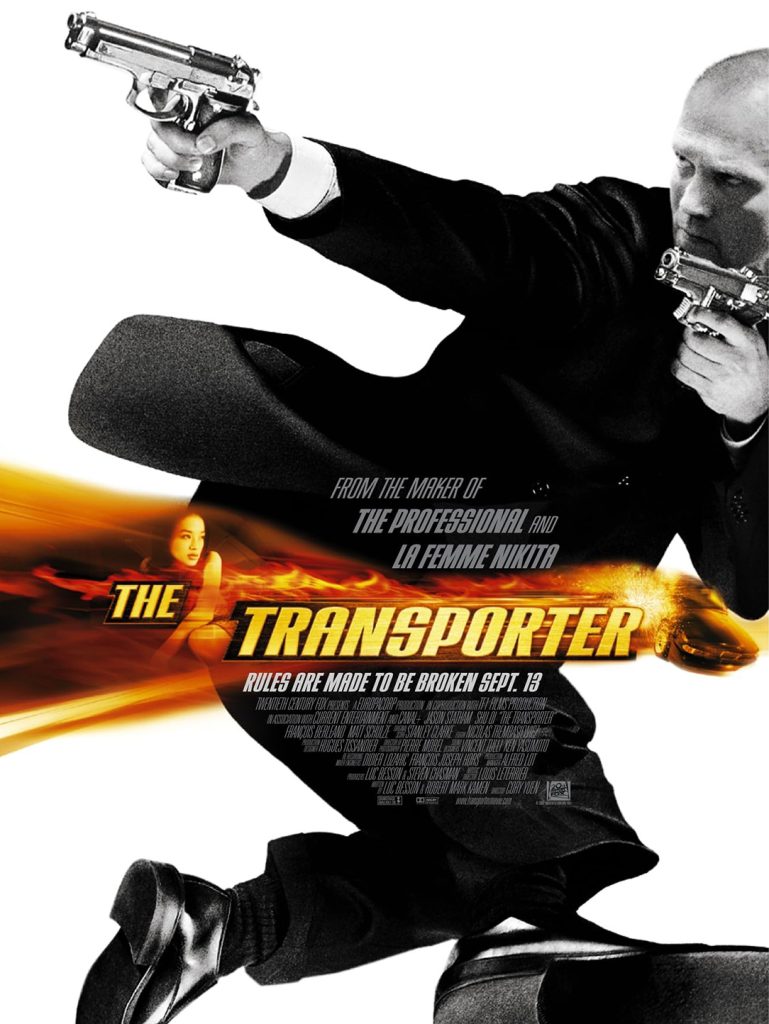
Cinema The Transporter Creation : Louis Leterrier, Corey Yuen, Luc Besson With : Jason Statham, François Berléand, Shu Qi Broadcast : Cinema The Transporter, directed by Louis Leterrier and Corey Yuen (2002), stars Jason Statham as Frank Martin, an ex-military man who became a ‘transporter’: he delivers anywhere, anything, for the right price, without question. Visually, the film adopts a tense style. We find city lights, neon lights, closed interiors, an aesthetic sometimes cold and mechanical, counterbalanced by the warm and natural light of the south of France. All with a nervous and breathless rhythm. The image translates danger, the race against time. In this context, calibration and finishing reinforce the impact, emphasize contrasts, accentuate shadows, give clarity to artificial lights, to bring out tension and urgency. An image post-production work that preserves the intensity without falling into excess. Image post-production Sound post-production Broadcast delivery https://digitalfactory.fr/wp-content/uploads/2025/12/The-Transporter-Trailer.mp4 Retour
La felicità non costa niente
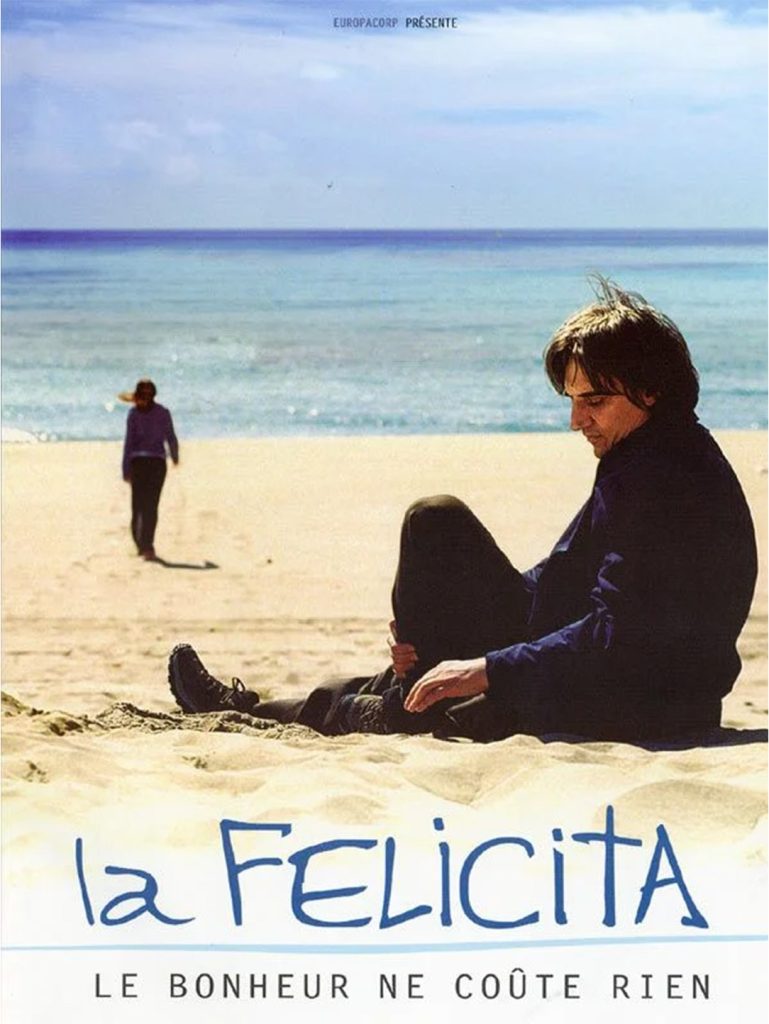
Cinema La felicità non costa niente Creation : Mimmo Calopresti, Francesco Bruni With : Mimmo Calopresti, Francesca Neri, Vincent Perez Broadcast : Cinema La felicità non costa nienten (The happiness does not cost anything), directed by Mimmo Calopresti in 2003, brings together Vincent Perez, Valeria Bruni-Tedeschi and Calopresti himself. The film follows Sergio, an apparently fulfilled man whose life is turned upside down after an accident. This shock pushes him to question his relationship, his certainties and his way of life until he seeks a more essential happiness, far from the habits that stifled him. The visual universe is based on soft lights, simple textures, calm atmospheres. The camera observes rather than emphasizes. The colors, light and sometimes melancholic, accompany this inner quest. Each shot seems carried by a slow, almost meditative rhythm, where emotion is born from silence as much as from gestures. Image post-production and calibration refine the material without weighing it down. The work involves preserving sobriety, enhancing the clarity of lights and the softness of contrasts. Digital Factory seeks here the nuance: to sublimate discreetly, while respecting the director’s intention. Image post-production Sound post-production Broadcast delivery https://digitalfactory.fr/wp-content/uploads/2025/12/LA-FELICITA-LE-BONHEUR-NE-COUTE-RIEN-Bande-annonce-VO.mp4 Retour
Blanche
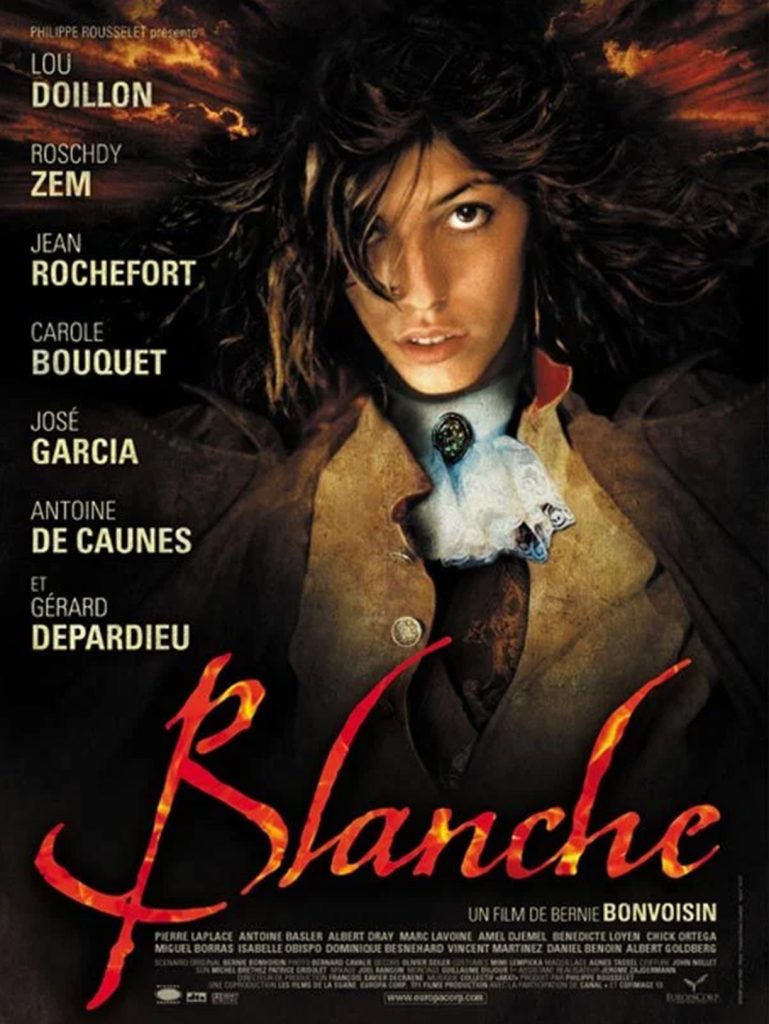
Cinema Blanche Creation : Bernie Bonvoisin WIth : Lou Doillon, Carole Bouquet, Roschdy Zem Broadcast : Cinéma In Blanche (2002), directed by Bernie Bonvoisin, Lou Doillon embodies Blanche, an elusive young woman, marked by a deep fragility and a relationship to the world made of impulses and withdrawals. When she meets Sam (played by Roschdy Zem), a sincere man, solid, almost too stable for her, a relationship develops intensely, disorderly, impossible to contain. Visually, Blanche sets up an atmosphere with skin sensitivity: the light seems to glide over surfaces like a fragile breath, illuminating faces with an almost painful softness.The calibration favors shades: light shadows, pastel colors, muted contrasts. Image post-production Sound post-production Broadcast delivery https://digitalfactory.fr/wp-content/uploads/2025/12/BLANCHE-Bande-annonce-VF.mp4
Aram
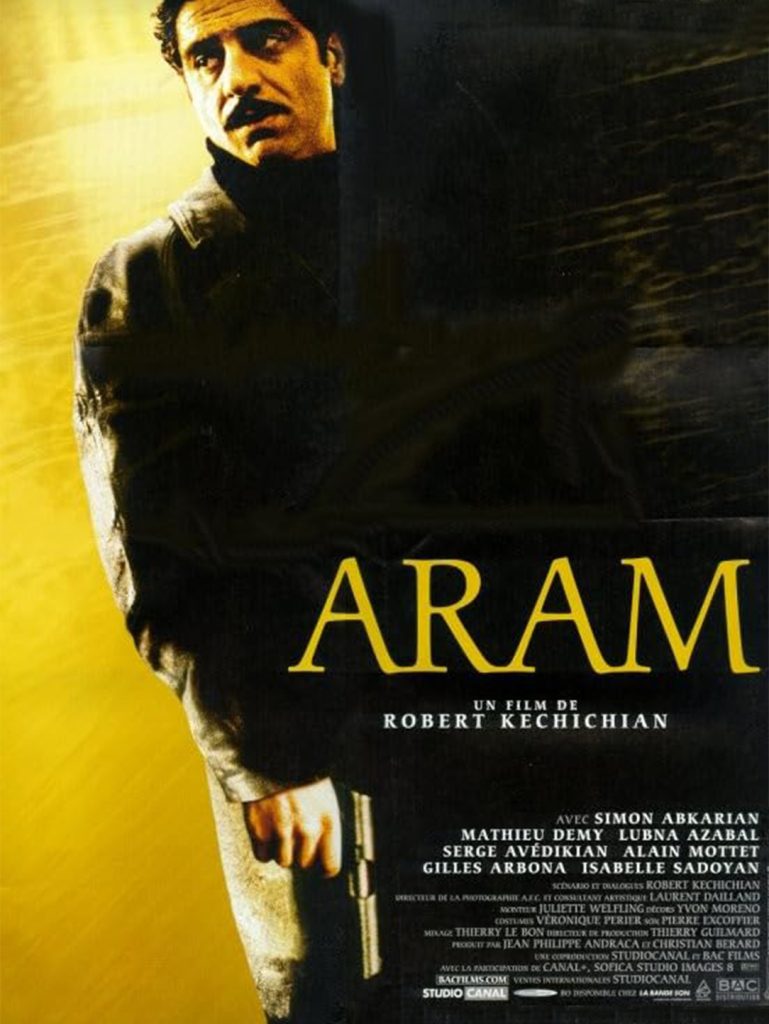
Cinéma Aram Création : Robert Kéchichian Avec : Simon Abkarian, Lubna Azabal, Mathieu Demy Diffusion : Cinéma The film Aram, directed by Robert Kéchian, follows the journey of Aram Sarkissian, a former Franco-Armenian activist who returns clandestinely to France. He must organize a purchase of weapons but even more so face the ghosts of an ancient attack, the one that partially destroyed his family. Visually, Aram deploys a dark, grainy, almost documentary aesthetic, the alleys of Paris are bathed in heavy shadows, with raw urban lights. In image post-production, the calibration accentuates this harsh atmosphere: desaturated ochres, dense blacks and neon or halogen lights sculpt tense faces, evasive glances and heavy silences. Post-production image Post-production son livraisons aux diffuseurs https://digitalfactory.fr/wp-content/uploads/2025/12/ARAM-Bande-annonce-VF-son-balance.mp4